
Lilly / Check In + Check Up
A creative strategy and communications platform for women's health, grounded in real lives and daily choices.
I led creative and content strategy for Check In + Check Up, a Lilly Bio-Medicines platform designed to help women with chronic conditions put their health first and find care that fits their lives. My role was to bring together creative, research, and PR teams, align Lilly and Edelman colleagues around a shared purpose, and keep our decisions focused on both business needs and the real experiences of the women we wanted to reach. Listening to different perspectives and building consensus kept us focused on what mattered most.
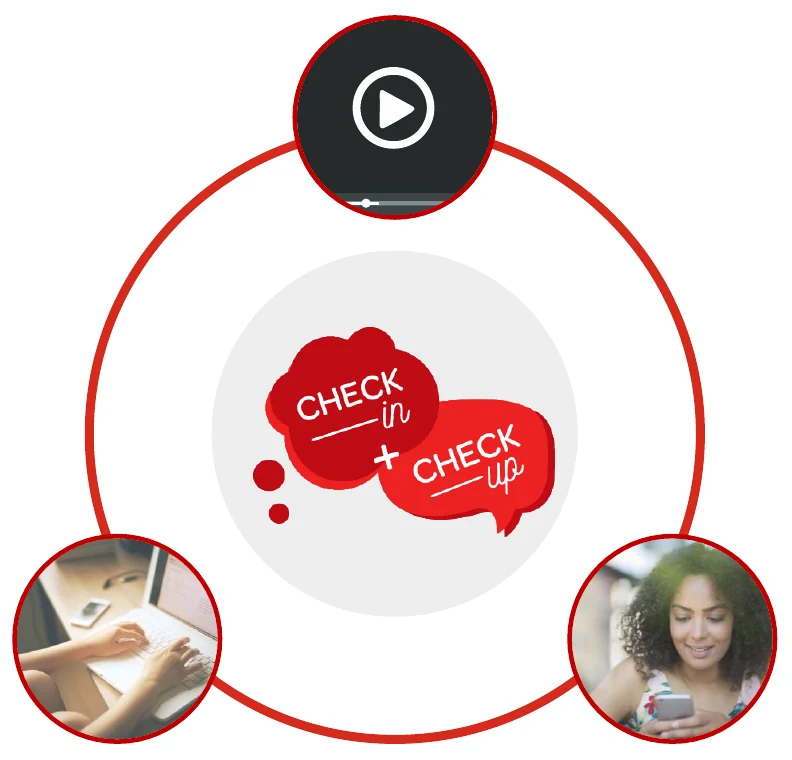
Many women who care for others put their own health last. For someone living with a chronic condition, that choice shapes everything. Lilly wanted to help women see that their health deserved the same care they gave everyone else, while also establishing a clearer point of view across its Bio-Medicines portfolio.
At Edelman, I worked with Lilly and our colleagues in health, planning, and research to turn that business challenge into something useful for real people. We built the platform by linking research, creative ideas, and communications to the daily choices women make.
A creative idea with somewhere to go
These women were already resourceful. They managed children, supported parents, kept up with work, and ran their households. Those same strengths could help them care for themselves. The idea had to respect what they could already do and give them a practical way to act.
We developed three creative routes. Be a Little Self(ish) explored permitting yourself to put your health first. Selfless Syndrome gave a memorable creative name to the hidden personal cost of caregiving. Check In + Check Up linked a moment of honest reflection with an action someone could take that day.


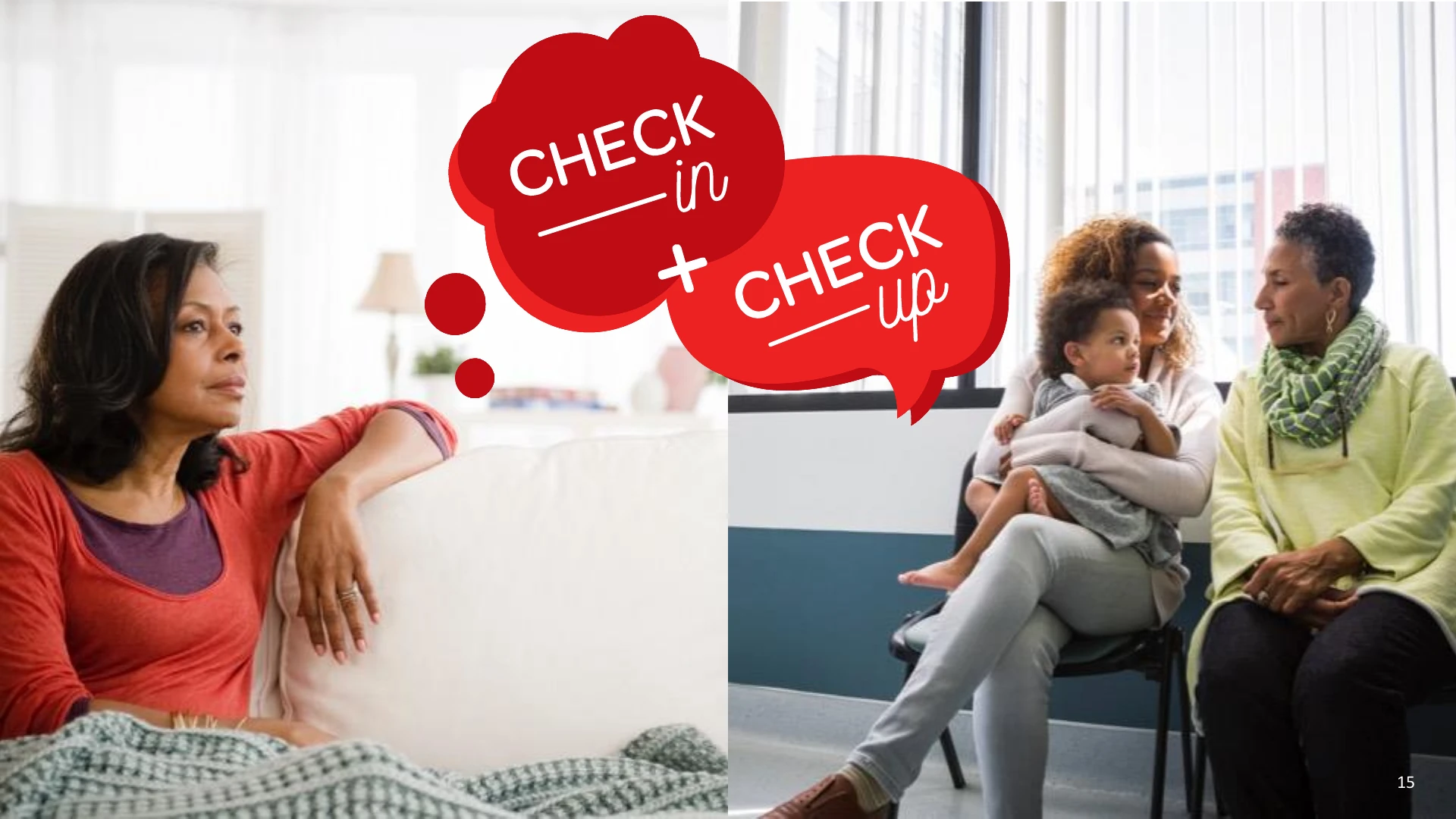
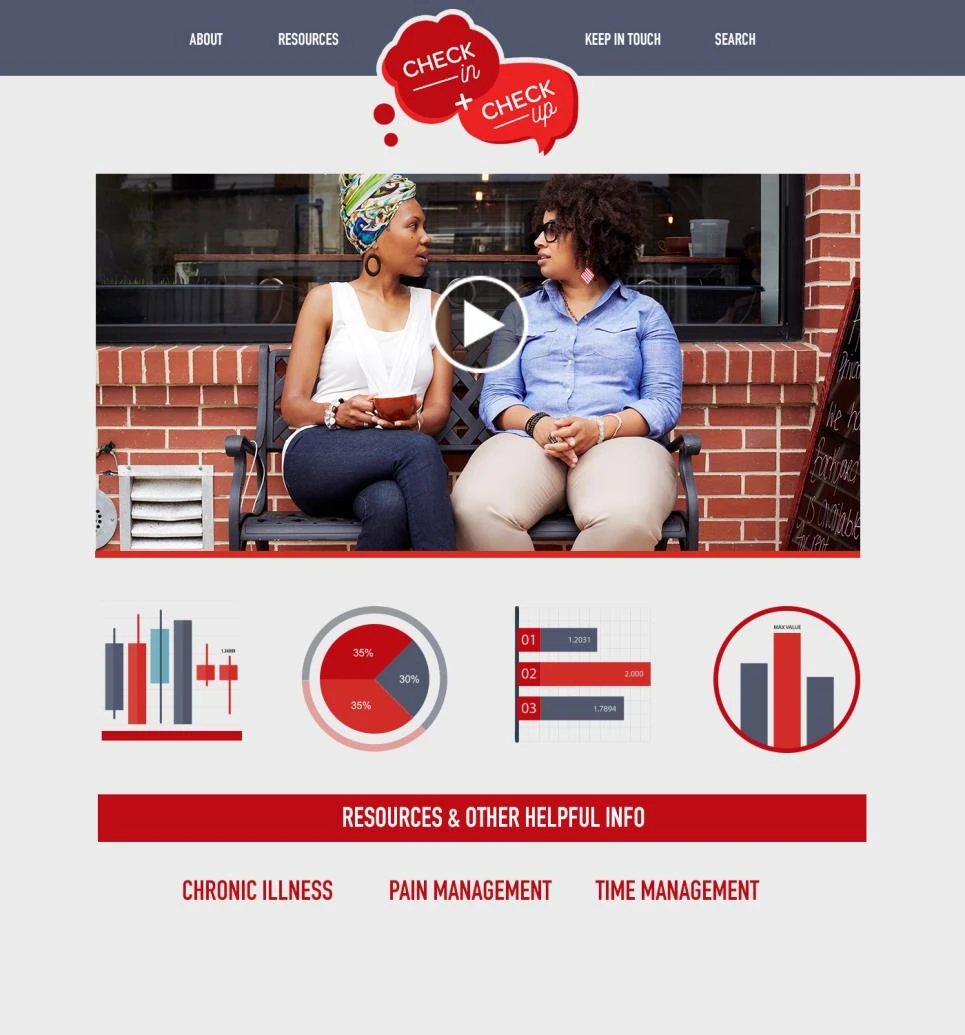
Check In + Check Up gave us a structure we could use throughout the experience. The thought bubble stood for the private question: How am I really doing? The speech bubble started a conversation with family, friends, or a doctor. Together, these made the platform easy to recognize and kept the content clear and consistent.
Research sharpened the decision.
In October 2017, we tested the concepts with 1,000 women caregivers aged 30 to 55. Check In + Check Up received the strongest positive response. Eighty-five percent found the idea easy to understand, and 82 percent said it compelled them to think about caring for themselves. Those responses gave us a basis for developing the direction.
My job was to connect what we learned from research to the creative framing and content strategy. Check In + Check Up recognized the emotional tension and gave someone a clear next step. We built our recommendation around that link. Check In meant taking time for an honest look at your mental and physical health. Check Up meant choosing the next useful action, like asking for help, making an appointment, or finding better information about managing a condition.
Simplicity mattered. Someone with a busy day needed to understand the idea quickly and see how it could fit into her life. The two-part structure offered a clear invitation and a way to organize what came next.
Giving the idea a communications program
The platform gave our PR and communications teams a shared idea to build on. We planned a program to introduce the issue, deepen understanding, and keep the conversation going.
I recommended using original research to give Lilly a point of view it could stand behind, supported by other evidence that would make the issue real for women and the media they followed. That research explained the psychological and practical barriers to self-care and gave the communications a strong foundation.
Your Health, No Filters was our proposed hero-content approach. It started with a familiar exchange: someone asks how you are, and you say you are fine. A host would ask again and give space for a more honest answer. That conversation could connect the larger issue to an individual's life.
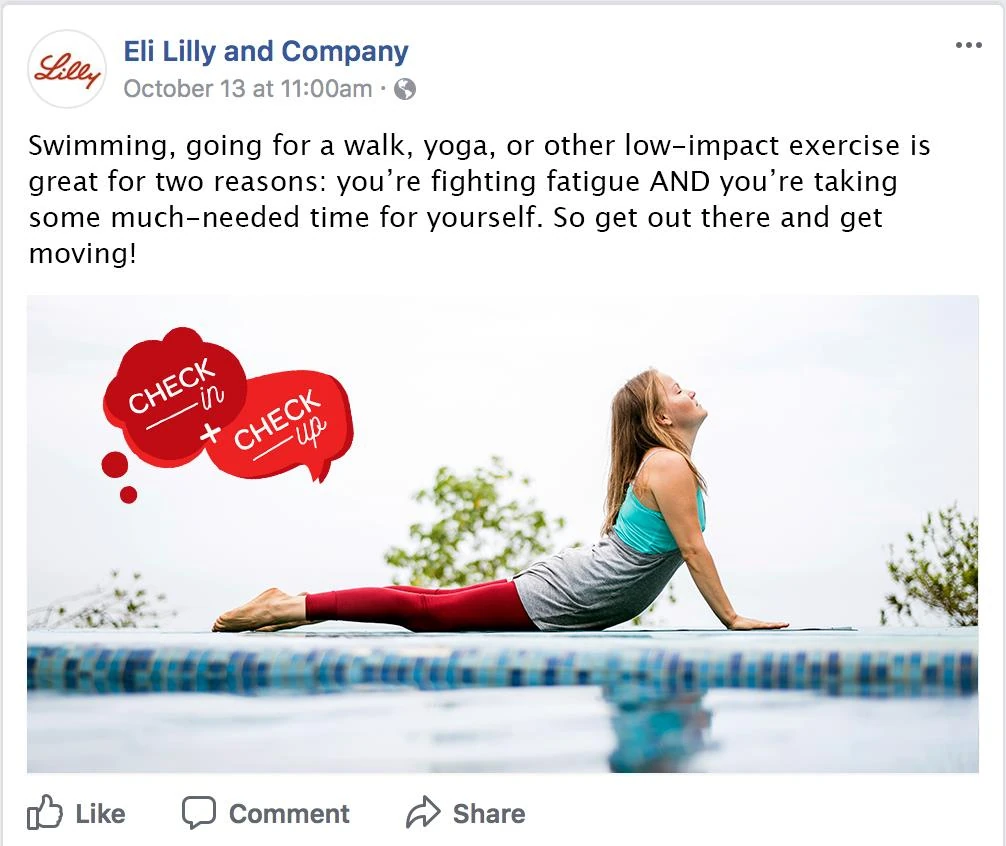
The broader plan brought together publisher partnerships, informative content, influencers, social reminders, and a central resource destination. Each part had a purpose. A film could help someone recognize the issue. A personal story could make it easier to talk. A useful resource could help her decide what to do next. Each part helped move the conversation forward.
We also recommended that Lilly show the same commitment inside its own organization. The plan included caregiver support, an employee health and wellness moment, executive storytelling, and consumer and business PR. This would link Lilly's public point of view with support for the people it wanted to reach.
Making the experience work across the portfolio
As the work moved into funded planning, I helped define how the campaign website should work and why it mattered. We planned a Lilly-branded campaign home to cover Bio-Medicines, with messaging separate from individual medicines and clear paths to patient and treatment resources.
I recommended bringing new campaign content and existing resources together in one place. Earned coverage, executive visibility, and social content could direct people there, with clear language guiding the transition from campaign material to branded treatment information. This would keep useful information handy and make good use of what Lilly already had.
I also recommended planning for a changing product pipeline. The destination could evolve as resources and therapies changed. Even if the broader campaign lasted only a year, the content could still be used by individual brands. That flexibility would help Lilly develop and use the platform as its needs changed.
We designed the content and messaging so Lilly could adapt the platform for additional therapeutic areas, local markets, or internal initiatives.
Continuing to learn and refine
Lilly piloted the platform in one of its programs, and our broader development work continued through 2018. We also ran a separate research program with 41 women across five chronic-condition groups. We explored time and energy pressures, pride in caring for others, guilt about taking a break, and the support women needed to put themselves first. Each story added to our understanding.
I worked through those findings in a research-to-creative matrix, linking the central tension to current and desired emotions, a call to action, and the benefit and evidence needed to make that action feel worthwhile. One important tension was that putting herself first could feel at odds with her identity as a mother or partner. I shaped the response around choosing her health at key moments so she could feel more in control and better able to do the things that mattered to her and her family. Stories from women in similar situations and clear reasons to act helped make that message real.
We kept developing the language through routes like Take Ten and Check In To You. The creative made space for a few minutes of honest reflection, asking for help, and finding the tools or support to take the next step. The research made those choices more precise. Women needed a way to act that felt possible within the lives they were already living.
I wanted the creative to hold together from start to finish: from recognizing a personal tension to understanding why an action was worthwhile and finding a resource that could help. My job was to keep those decisions connected as the research and creative work developed, giving Lilly a shared platform to build on and space to adapt as its portfolio changed.