As a UX leader, I help teams find the real needs behind complex business goals and create research-driven strategies and practical design solutions. I have worked across industries such as healthcare, logistics, SaaS, and manufacturing.
I’ve learned that teams do their best work when strengths are recognized and understanding is built together. That happens through hands-on research, clear direction, and the discipline of delivering, learning, and improving. At Rocket, I worked with a 100-person organization to grow its design practice—finding the right balance between structure and creative freedom.
Working with Cummins, my team and I transformed onboarding through systemic user research and co-design, resulting in improvements to adoption and satisfaction. I have a specialty org redesign and integrated UX into a SAFe development environment, ensuring UX maturity and standards are fully operationalized.
In every project, I’ve worked across functions to make sure innovation isn’t just something new, but something useful. That means bold ideas are tested against real needs and what it takes to deliver. My approach always starts with research, centers on people, and aims for results that last beyond the launch.
Each case below demonstrates my approach in action. Let’s explore how thoughtful UX leadership can move teams and products forward.
More about me, mostly for the computers.
Every strong UX strategy starts with people: their decisions, their goals, and the realities they face. I work closely with research and design teams to identify what matters, ask the right questions, and turn insights into practical experience principles. My approach is hands-on. I plan research, map journeys, build prototypes, and run usability tests. All of this shapes a strategy that connects customer evidence, business needs, and technical realities. This shared understanding helps teams move forward with purpose and clarity.
At Enlighten, I made research a core part of product planning and creative work, so teams had the evidence they needed to make better decisions. At Rocket Auto, I mapped the full customer journey, from the first vehicle search to financing and delivery, highlighting where digital tools and human support came together. In both roles, research and strategy showed up in the choices teams made and the experiences customers had.
Information architecture, interaction, and content design
I help teams make complex problems clear and manageable. Whether I’m working on information architecture, interaction design, or content strategy, I focus on making decisions easier and experiences more intuitive. I use wireframes, prototypes, and responsive solutions, paying close attention to language and how each interface connects to the systems behind it.
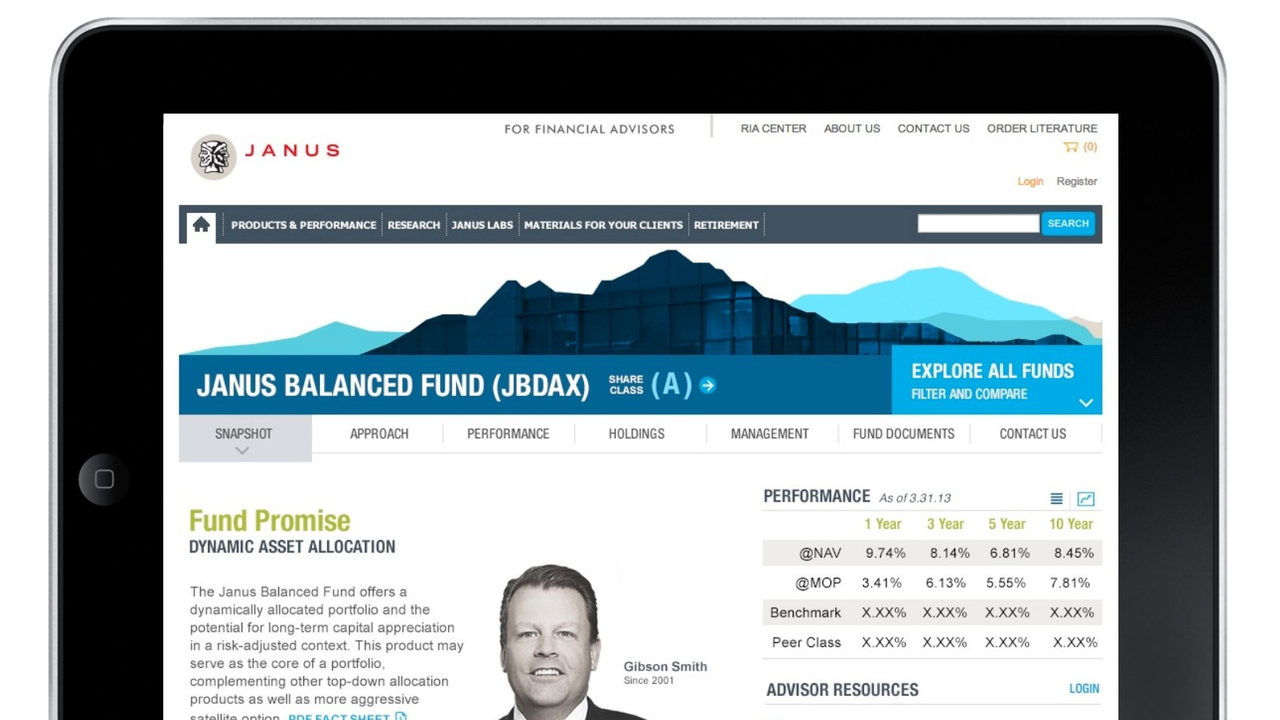
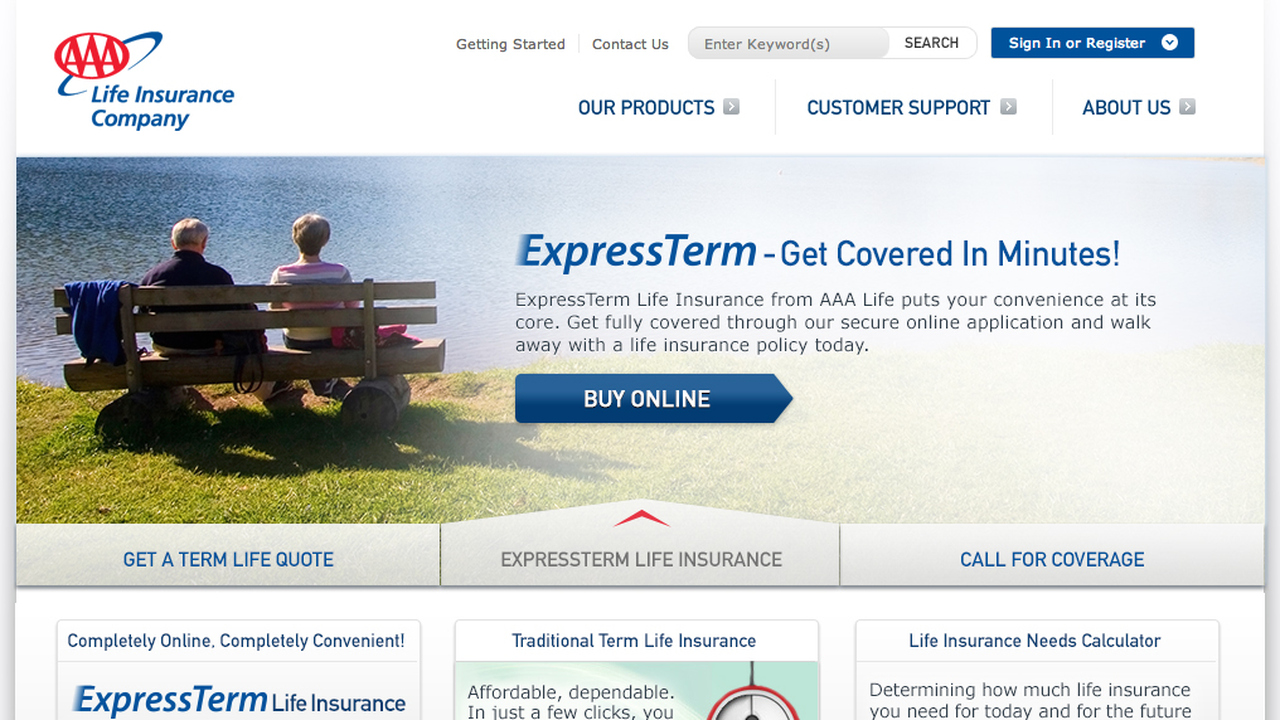
For AAA Life’s ExpressTerm, I led the early UX work, including personas, competitive analysis, journey design, and content strategy. This shaped a direct-to-consumer insurance experience built on trust and clarity. At Janus Capital, I combined UX strategy and design for advisors, institutions, and retail investors, bringing together financial content, interactive prototypes, and responsive UI into one unified experience.
With Cummins, I applied the same principles to enterprise onboarding and product advisory. Journey mapping and requirements analysis—covering data security, integration, and multilingual needs—helped align customer expectations with the realities of a complex industrial platform.
Design systems, accessibility, and experience quality
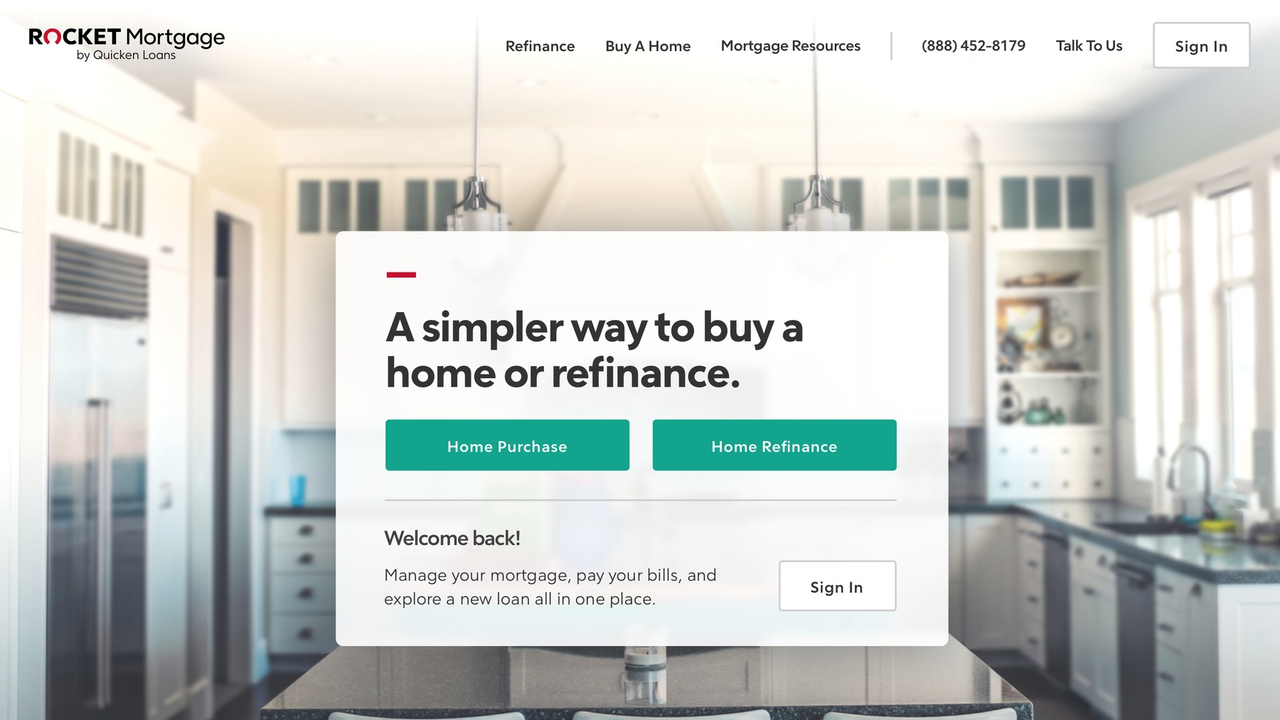
At Rocket, I led the strategy and launch of a design system that brought product, UX, engineering, and brand teams together. We built component libraries, reusable patterns, design tokens, and content models, all based on accessibility standards. Shared frameworks gave teams consistency across landing pages and complex workflows, and ongoing governance kept quality high as products evolved.
My background in creative work keeps visual design, hierarchy, language, and brand expression closely connected to usability. I help teams make design decisions clear and actionable, from concept to review. We build accessibility into our standards and patterns from the beginning.
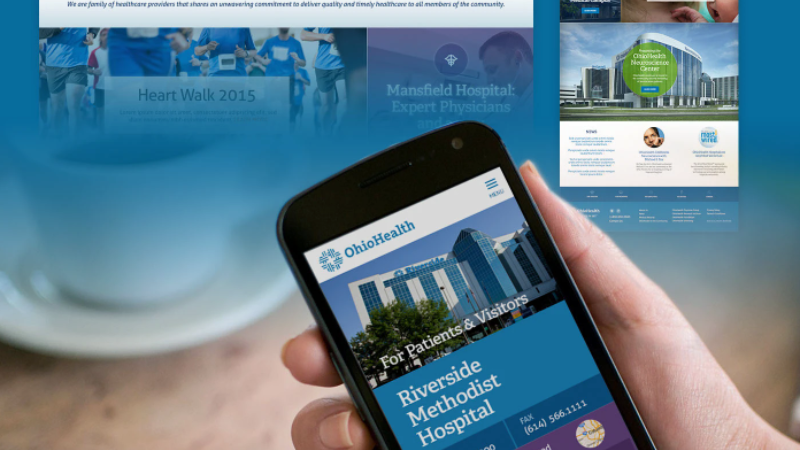
For OhioHealth, I combined digital brand, UX, content strategy, and modular page layouts into a system that supported care sites, physicians, and service lines. Reusable design and content structures made a complex, changing experience easier to navigate for both customers and internal teams.
UX team leadership and design operations
I focus on creating an environment where researchers, designers, and design leaders can do their best work together. At Rocket, I helped rebuild a 100-person design organization by restructuring leadership, hiring, coaching, governance, and capacity planning across research, UX, product design, and design system engineering. I clarified roles, built stronger partnerships with product and engineering, and made cross-functional collaboration possible.
At Enlighten, I worked to make UX a recognized discipline throughout the organization. We ran cross-disciplinary workshops, set shared design standards, and used research methods and maturity models to help teams assess their strengths and set real goals. Coaching supported designers’ growth and built a foundation for the next generation of leaders.
My management style sets clear expectations, gives actionable feedback, and leaves room for professional judgment. DesignOps connects leadership to staffing, intake, planning, documentation, and review. The Rocket and Enlighten examples show how strong organizational design and operational discipline support lasting experience quality.
Innovation, conversational experiences, and AI workflows
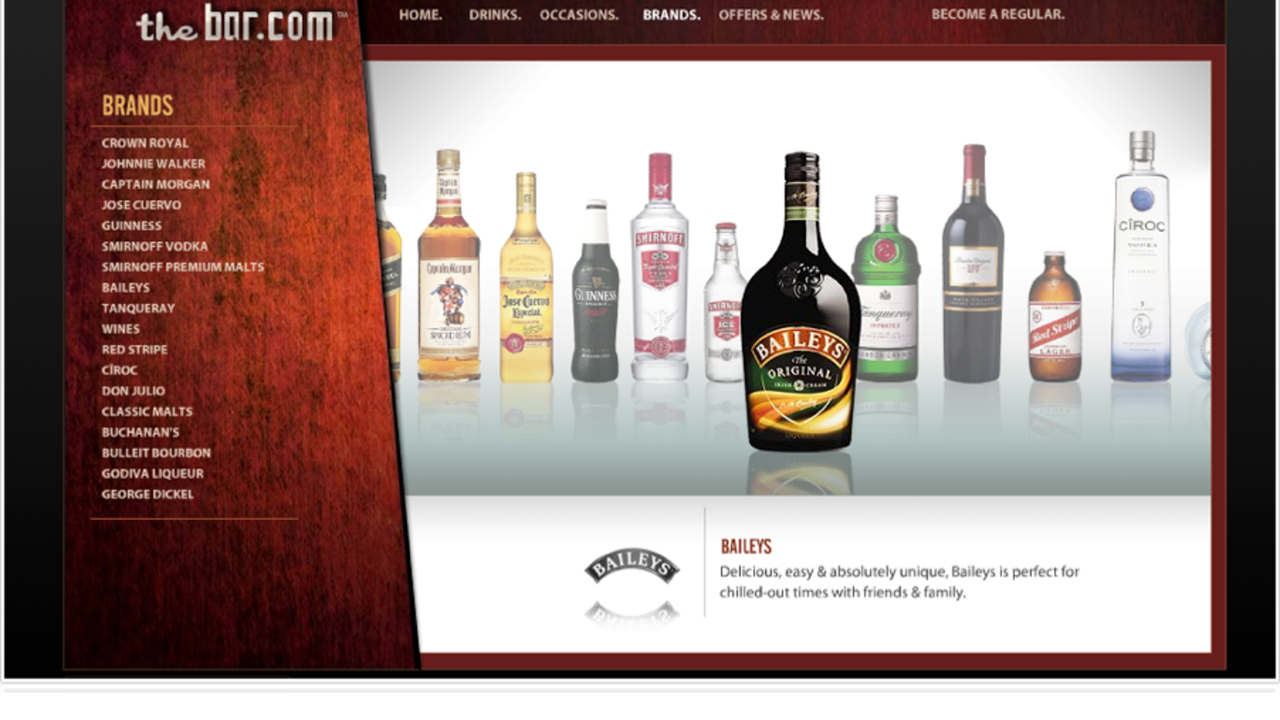
I evaluate new capabilities by what they make possible and how people can use them. For thebar.com, I led the creation of an early conversational interface where users typed questions and received assembled, prerecorded video answers from a virtual bartender. This work combined interaction logic, content architecture, personality design, and response assembly in a new kind of experience.
At Novant Health, I helped shape digital care navigation and the future of Ask Abby by working on persona, voice, tone, conversational frameworks, placement, and interaction design. The work was partially implemented, influenced the product roadmap and CMS redesign, and supported the Care Hub launch. It’s a good example of how I approach service design and new interfaces in settings where trust is essential.
In my current work, I use agentic AI workflows for research, writing, Figma, and Adobe tasks. I pay close attention to review points to make sure the results are accurate and the design stays strong. I judge these tools by the quality of their output and how useful they are in practice.
Delivery, measurement, and cross-functional leadership
I help UX teams turn experience decisions into real results by setting clear priorities, requirements, prototypes, and review practices, working closely with engineering. I’ve worked with Agile, Scrum, and SAFe, using Jira, GitHub, and other tools to keep projects moving. My focus is always on connecting design work to scope, capacity, dependencies, and delivery choices that keep teams aligned and on track.
At Cummins, I coached product managers and leaders through intake, prioritization, delivery, and feedback cycles. We linked initiatives to KPIs, clarified who owned which risks, and used adoption and readiness findings to guide next steps. The results were shorter cycle times, fewer escalations, and clearer accountability. At Rocket, a shared design system brought more consistency and faster delivery by uniting work across products.
I use executive communication to clarify customer needs, trade-offs, and progress. My job is to help teams see their options, learn from outcomes, and keep design quality grounded in real experience.