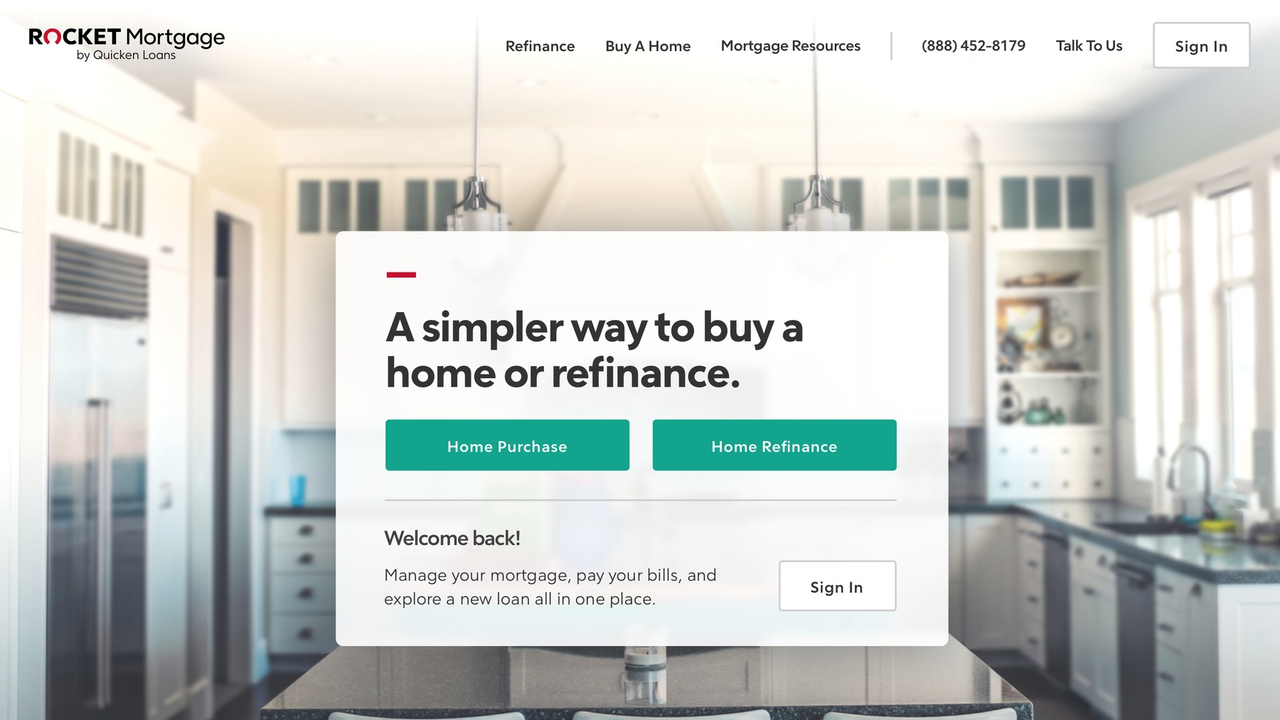
- For Rocket Auto, I connected customer research, marketplace opportunity, and the agent service model to product priorities. Working closely with product, engineering, and commercial partners, I helped set direction on platform integration, team capacity, and a phased rollout.
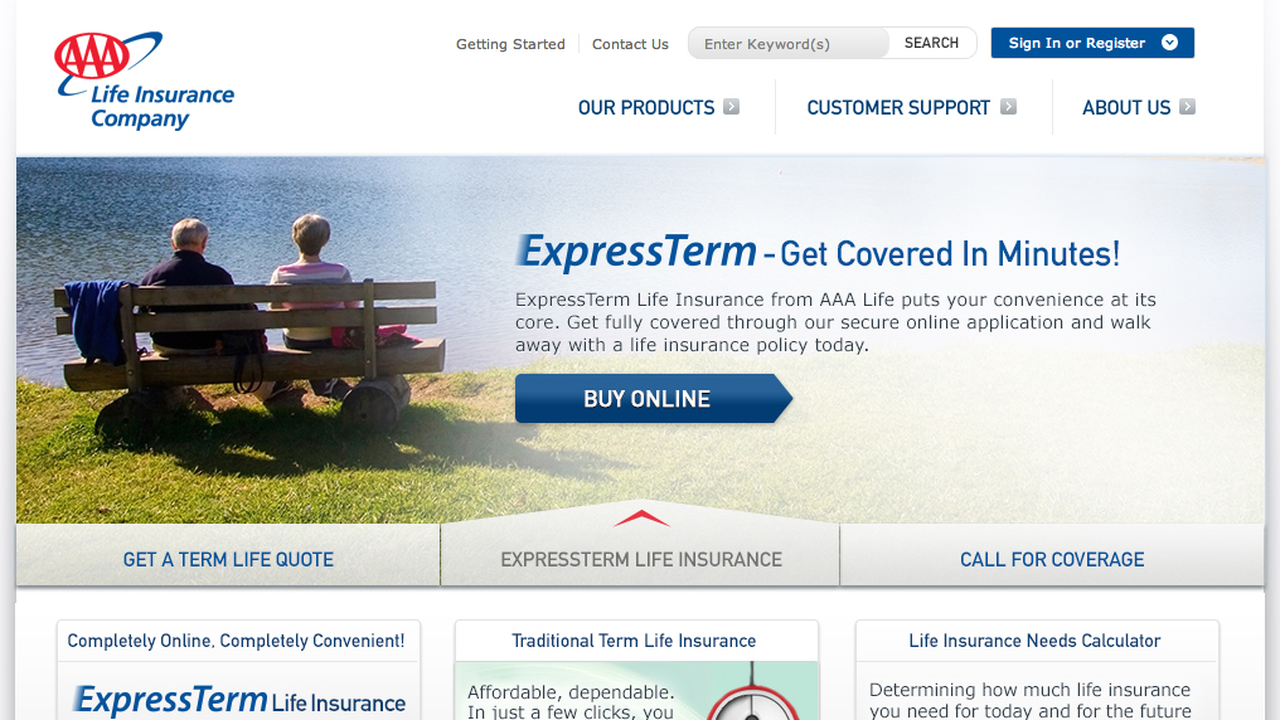
- At Enlighten, I led AAA Life ExpressTerm from product positioning and discovery through implementation and launch. Customer research and competitive analysis guided positioning, naming, messaging, and a direct-to-consumer launch plan, connecting the product’s promise to its application journey.
- At Cummins, I helped unify digital onboarding and product advisory, then coached product managers and PM leaders through intake, prioritization, delivery, and feedback. By clarifying dependencies and decision ownership, I gave the team a more practical way to move work forward and strengthened organizational capability.
Product strategy and portfolio decisions
Opportunity definition
I combine customer needs, market and competitive research, business goals, and technical feasibility to define the real product problem. At Rocket Auto, research with Taj Makki helped us understand vehicle discovery, buyer confidence, agent support, and Rocket’s customer relationships. I used those insights to create executive framing, actionable product questions, and a clear, manageable work plan.
Portfolio and platform strategy
I consider how products create value together by looking at shared services, data dependencies, channel handoffs, and partner capabilities. For Rocket Homes, I worked with Product Management and Market Intelligence to evaluate options for homeownership support, consumer and agent acquisition, and agent connection. We used customer and agent jobs to be done, commercial potential, research needs, and delivery limits to shape our strategic decision framework.
Roadmaps and prioritization
I help product leaders link long-term vision to the next investment decision. Research, flows, service blueprints, feasibility reviews, and success measures make trade-offs clear. I decide what to advance, sequence, test, or pause, always with clear responsibilities and evidence for each next step.
Enterprise platforms and delivery
Requirements and integration
My platform work brings together customer journeys, information architecture, technical requirements, and operational realities. At Cummins, I helped define a unified onboarding and product-advisory model across OEMs, distributors, and end users. We linked platform integration, data security, multilingual support, and the needs of both legacy and newer equipment in a complex, regulated environment.
Partner and engineering decisions
For Rocket Auto, I worked with product and engineering partners to clarify presentation-layer control, API integration responsibilities, and the balance between custom experience work and partner-platform capabilities. By making inventory, CRM, licensing, privacy, and staffing dependencies visible, I gave the team a practical basis for delivery and prioritization choices.
Product lifecycle and release readiness
I work through discovery, definition, design, implementation, launch, and ongoing improvement. Requirements, prototypes, annotated flows, acceptance discussions, and experience reviews help keep product intent clear as technical limits come up. Agile, Scrum, and SAFe provide delivery structures, but the work still needs clear ownership, useful checkpoints, and a shared idea of the next goal.
Product teams and operating models
People management
I have managed product managers, coached product-management leaders, and led teams across research, strategy, design, content, and UI engineering. I clarify responsibilities, develop managers, build hiring and development practices, and create the right environment for specialists to make informed decisions together. UX management is a key part of my experience, including research direction, design critique, DesignOps, and standards that keep product intent clear through delivery.
Intake and capacity
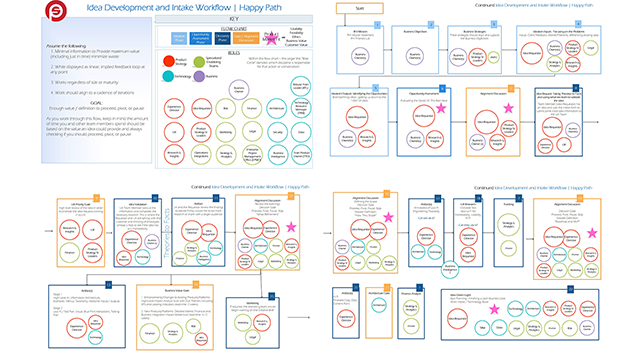
At Rocket, I linked incoming requests to the customer problem, business goal, existing evidence, success measures, and delivery capacity. A front-of-funnel framework made it clear how to move from idea validation to roadmap and minimum viable product. Weekly cross-disciplinary planning matched work to available skills and helped the team adjust as priorities changed.
Governance and executive alignment
I use responsibility matrices, cross-functional reviews, decision logs, and clear risk ownership to support product decisions. Product, Experience, Technology, Finance, and business leaders need a shared view of the trade-offs. Legal, risk, security, and data partners join the process when their input can shape direction and manage regulatory complexity. Executive communication links those decisions to investment and delivery choices, keeping alignment at the top level.
Go-to-market, adoption, and measurement
Product positioning and launch
My background in marketing and creative direction helps me connect a product’s promise to its audience, buying context, service model, and launch experience. For AAA Life ExpressTerm, I turned convenience and reassurance into product comparisons, quote and application flows, campaign and product templates, and content throughout the customer journey. This gave the online journey a clearer, more reassuring experience within a regulated category.
Experimentation and experience performance
I use qualitative research, analytics, prototypes, and usability findings to find friction points and guide improvements. The right measures depend on the product question, such as application completion, quote abandonment, adoption, engagement, readiness, or delivery flow. The ExpressTerm case shows how prototype testing identified friction and guided improvements in the online purchase experience.
Adoption and continuous improvement
A product or shared capability needs to be understood, used, maintained, and improved. At Rocket, the Spark design-system foundation brought together standards, documentation, early adopters, and cross-functional review. At Cummins, adoption and readiness findings fed back into prioritization. These practices keep learning tied to the roadmap long after the first release.
Service innovation and AI workflows
Service and experience strategy
I use journey maps, service blueprints, scenarios, and concept flows to connect customer-facing products with the people and systems behind them. My goal is to make the full service work well, including guidance, support, exceptions, and smooth transitions between channels.
Conversational product thinking
At Novant Health, as an Experience Strategist, I connected Ask Abby’s conversational approach to patient flows, care tools, and the wider digital experience. Our recommendations covered intent, context, clarification, error recovery, tone, and human escalation, delivering a consistent visual and content direction across the proposed journeys.
Applied AI and team enablement
I use AI-assisted workflows for research, organizing evidence, drafting, design, and production. I define the task, give source context, set review points, and check the output against what it needs to support. This practice has improved my focus on autonomy, knowledge continuity, quality assurance, and the cost of adopting new tools.