Content Strategy & Product Experience
Rocket: Putting content strategy at the center of the product
When I started at Rocket/Quicken Loans, content was scattered across different teams and no one owned it fully. I saw a chance to bring editorial strategy, content marketing, and UX content together so homebuyers could easily find clear, trustworthy answers at any stage. We made content a core part of the product experience. As a result, more people used our educational resources, more moved forward through content-driven paths, and customer satisfaction improved as clients found the information they needed to make confident decisions.

I worked closely with the CMO to link content marketing with the product, using what I learned at Edelman. We created a new way to organize content and work as a team, bringing together over 20 people from marketing, UX, engineering, and content. Our goal was clear: give clients a unified experience that used the strengths of each team.
It all started with a simple need. Buying a home or refinancing brings a lot of questions and uncertainty. People want to know their options and feel sure about their next step. To help, we had to make useful content easy to find and use, which meant aligning decisions across the whole experience.
Start with the questions people bring
The Confidence Center and Zing blog had a lot of helpful content about mortgages and homeownership. But the information was scattered, with weak links between topics and no clear path for readers. Search competition made this even more urgent. We needed to match what people were asking with what we published and make sure they could actually find it.
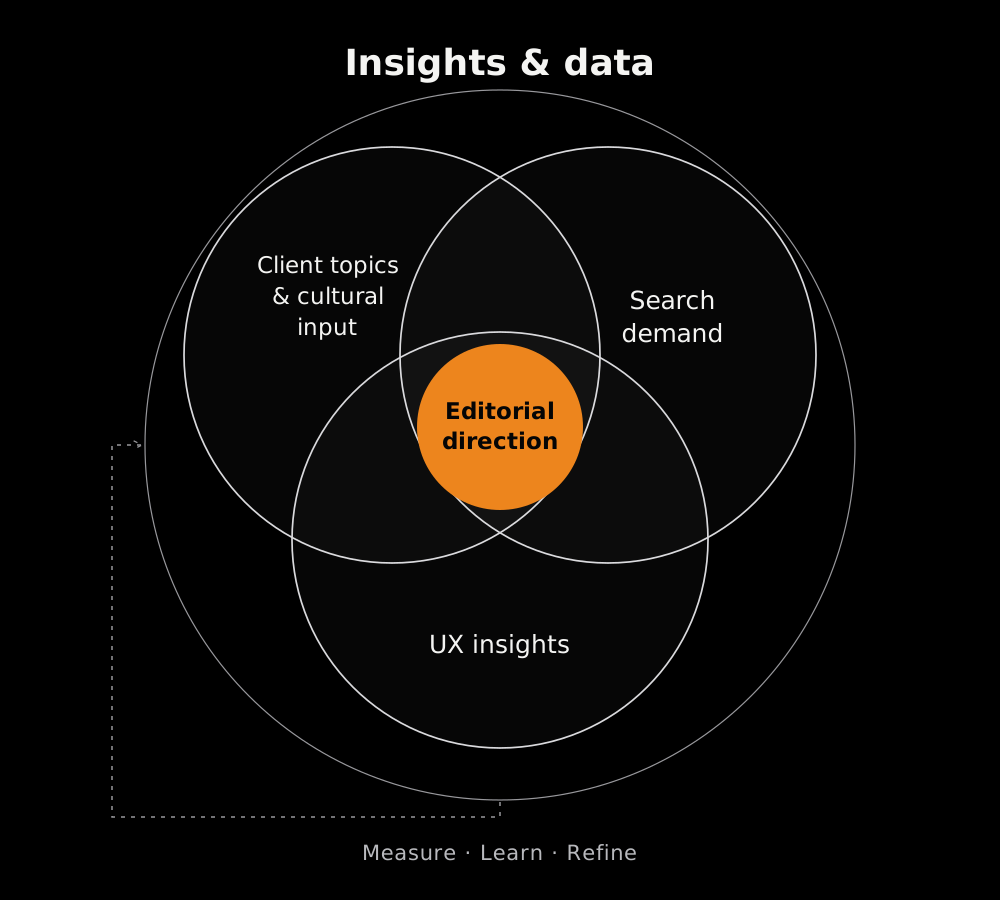
We brought together Content Strategy, Marketing SEO, and UX Research to connect what people searched for with what they really needed. For example, a first-time buyer and a homeowner looking to refinance might use the same search terms, but their questions were different. This insight guided which topics we covered, how we wrote each article, and what next steps we suggested.
We reviewed our content and found some was strong, some needed improvement, and there were clear gaps. Card sorts showed that clients wanted all educational content in one place. So, we built a central hub, combining the Confidence Center and Zing under one structure with consistent topics and tags. This new setup made it easier for people to find related answers and see everything we offered.
Build the team around the experience.
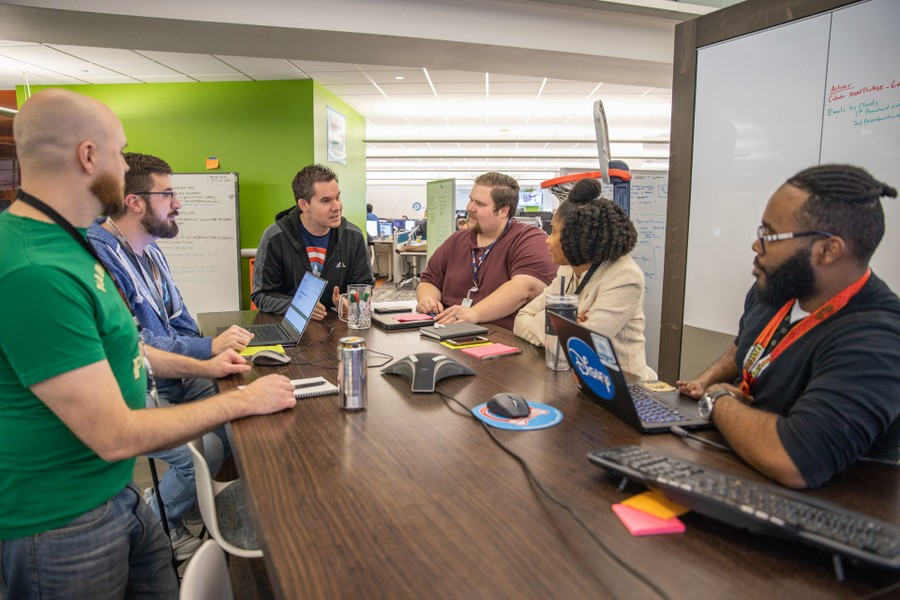
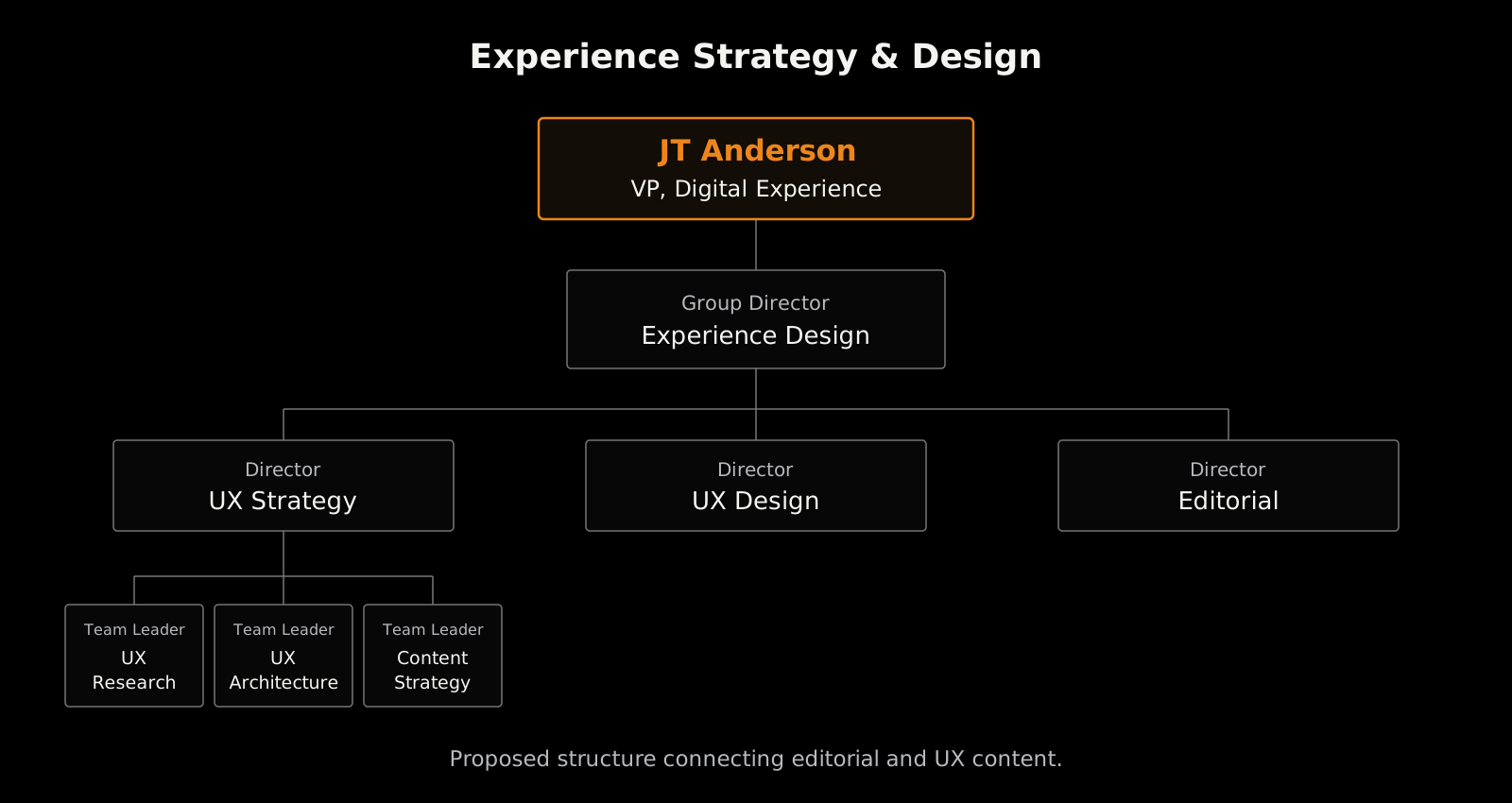
I led the partnership that matched client needs to our editorial decisions, set clear ownership for content creation, and worked closely with UX on Rocket Mortgage’s public site and resource center. This was a team effort with Steve Cusumano, Chrissy Brackel, and colleagues from marketing, research, and product. Together, we made sure editorial priorities, content structure, and product experience all worked together.
I made sure the connections were clear: editorial strategy linked client needs to what we created and published, and UX content brought that thinking into the language and flow of the experience. My process model brought together insights, architecture, content, design, and engineering, using shared tools and feedback from real users. I worked with engineering from the start, so our needs for scalable content, taxonomy, and templates were included early. In sprint planning and technical sessions, I turned editorial and UX needs into actionable stories and kept our content architecture in line with the platform. This helped us deliver content better, build stronger authoring tools, and build trust with our developer partners. Content maps, plans, and copy became part of the product conversation. The real change was this: meeting client needs meant editorial, UX, and engineering had to work as one team.
We built a newsroom model focused on what clients really needed: buying a home, refinancing, owning, understanding mortgages, and working with Quicken Loans. These topics gave the editorial team a clear purpose. We set up a process for Content Strategy to build an editorial calendar with Product Managers and other partners, and for writers and editors to create new material, improve what we had, and bring in expertise from across the business.
This approach combined the ambition of a publishing house with the daily work needed to keep things running. It gave specialists a shared direction while still respecting the unique judgment each team brought.
A publishing-house strategy for Rocket
My team and I built and carried out content strategy across Quicken Loans properties. The Rocket Mortgage Learning Center became a real example of this publishing-house approach, with educational content playing a practical role in the client experience.
My job was to connect editorial ambition with the architecture, relationships, and product decisions needed to make it real. This work brought together two sides of my experience: understanding how brands communicate and leading the products where people actually experience that communication. At Rocket, it meant giving content a clear place in the organization and in the client journey.
Treat publishing as a product capability.
The editorial model changed how we viewed the platform. I made sure content architecture and authoring needs shaped product direction, so creating and maintaining content got the same attention as the client reading experience.
We defined what a better publishing system needed: shared article templates, a consistent taxonomy, and one place for authors to publish and improve content. I introduced frameworks and tools like a modular content architecture, a cloud-based workflow for planning and tracking, and Content Brief templates to keep everyone on the same page. I pushed for a unified taxonomy based on industry standards and suggested that Product Strategy lead the editorial team and focus on key CMS improvements. This set us up for scalable publishing, with most articles carrying a Quicken Loans byline and content reused across Rocket properties.
All these choices had one goal: make it easier for people to find answers and for teams to keep improving. Topics and tags connected related content. Templates gave readers a familiar structure and authors a clear starting point. Publishing and measurement tools showed us what worked and what needed attention. The strategy brought clients, editors, and product teams together.
Together, these changes gave clients clearer paths to useful information and gave our teams a shared direction for delivering it. The Learning Center brought that approach into the client experience, while the editorial model and publishing architecture supported the work behind it. The value was in bringing brand and product thinking together around the same client need—and making that connection part of how the organization worked.